



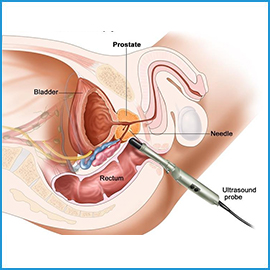
Fusion Guided Biopsy
The lesions seen in the multiparametric prostate MR are categorized by the radiologist and cancer foci that can be clinically important are determined, and it is precisely this diagnostic method that allows biopsy to be taken from these votives.
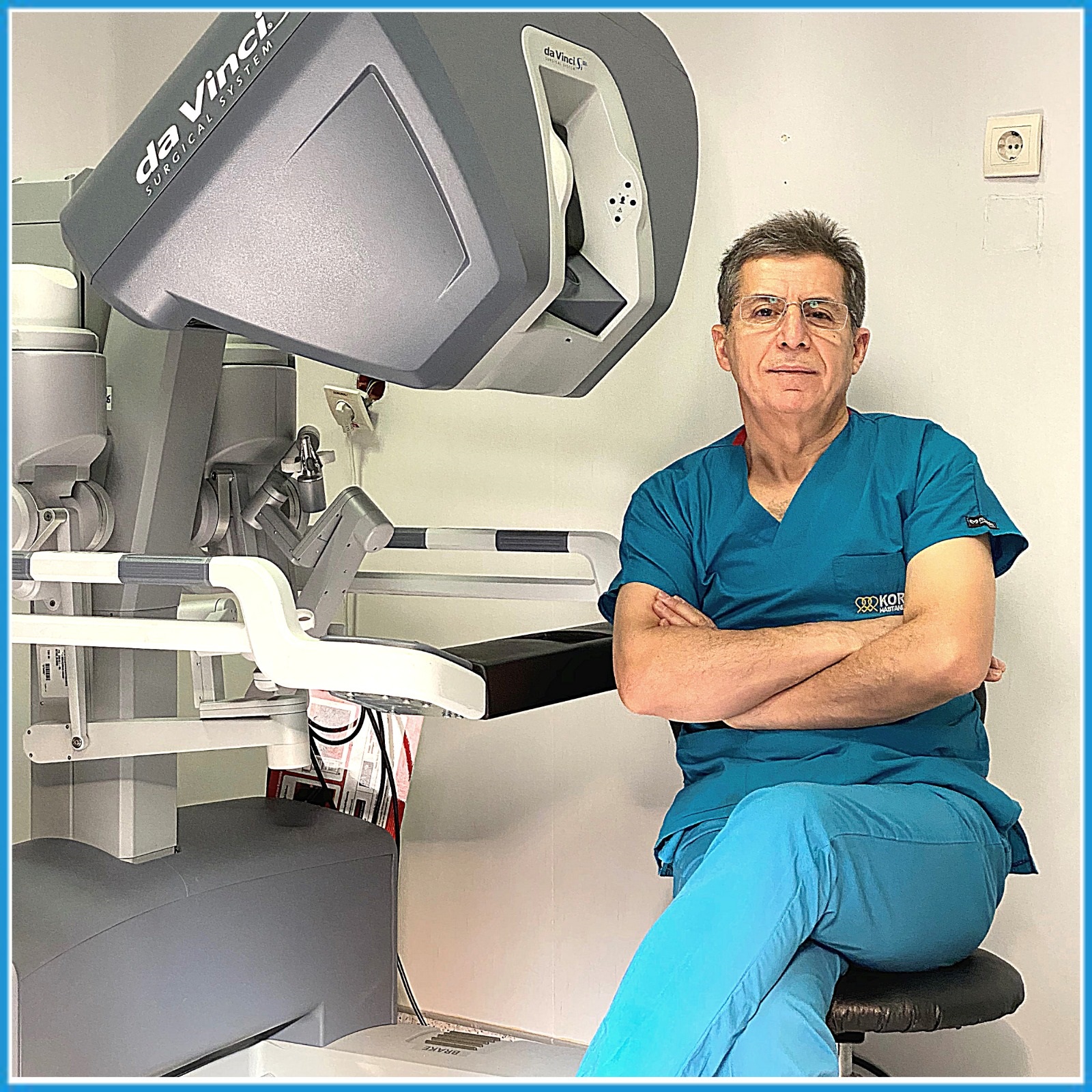
Robotic Surgery
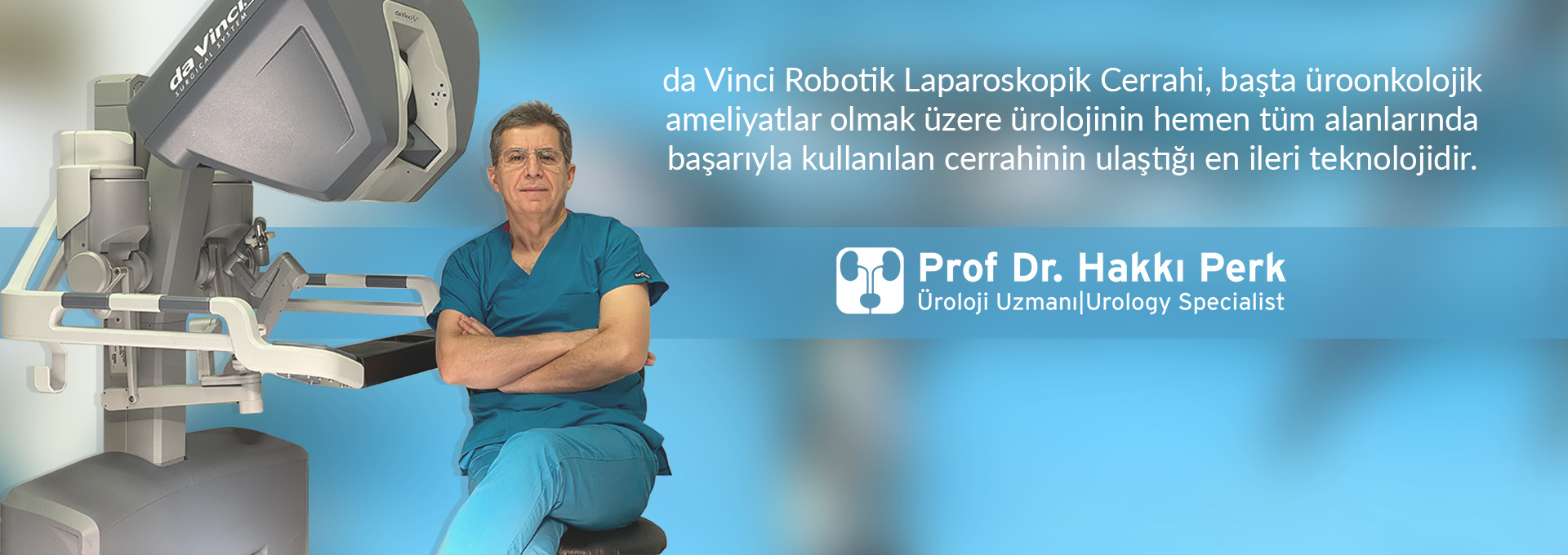
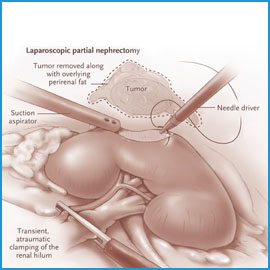
With the Robotic Surgery Method, one of the rising trends of today, all laparoscopic surgeries can be performed. Radical Prostatectomy, Radical Cystectomy, Pyeloplasty and Partial Nephrectomy, pediatric urology surgeries and surgical reconstruction (reconstruction) are performed very successfully with robot-assisted surgical method.
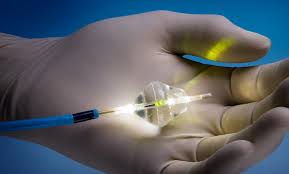
Laser Applications
Today, LASER (LASER) is used in many urological surgeries, especially Selim prostate enlargement and urinary tract stone disease thanks to technological advances. Less bleeding and more comfortable surgeries are performed using laser systems. HoLEP-Prostatectomy, which is at the beginning of these applications, has a rising trend and popularity today.

Prosthetic Applications
Penile prosthesis, which is generally used in erection (hardening) problems, includes artificial sphincter prosthesis applications in urinary incontinence (incontinence) that cannot be controlled by testicular prosthesis in the absence of testicles and other methods.
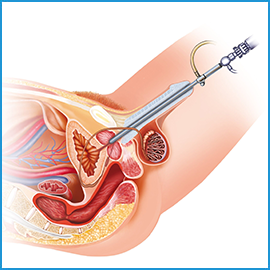
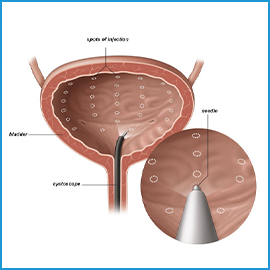
Cystoscopy
Cystoscopy is the main diagnostic / diagnostic method that allows examination of the bladder and urethra (urethra), which is used for some other clinical conditions (especially bladder cancer) (Stone, tumor, prostate, etc.) using a light-camera endoscope called a cystoscope. Cystoscopy is a one-day procedure, it does not require hospitalization.

Shock Wave Therapy (Eswt)
ESWT (extracorporeal shock wave therapy) is a treatment method that is applied by focusing the pressure waves created outside the body through the steel head applicator to the desired area of the body. This treatment method is used safely in erection-hardening problems (impotence), as well as in other areas of urology such as peyroni disease, chronic prostatitis, overactive bladder, painful bladder syndrome (Intrestial cystitis).
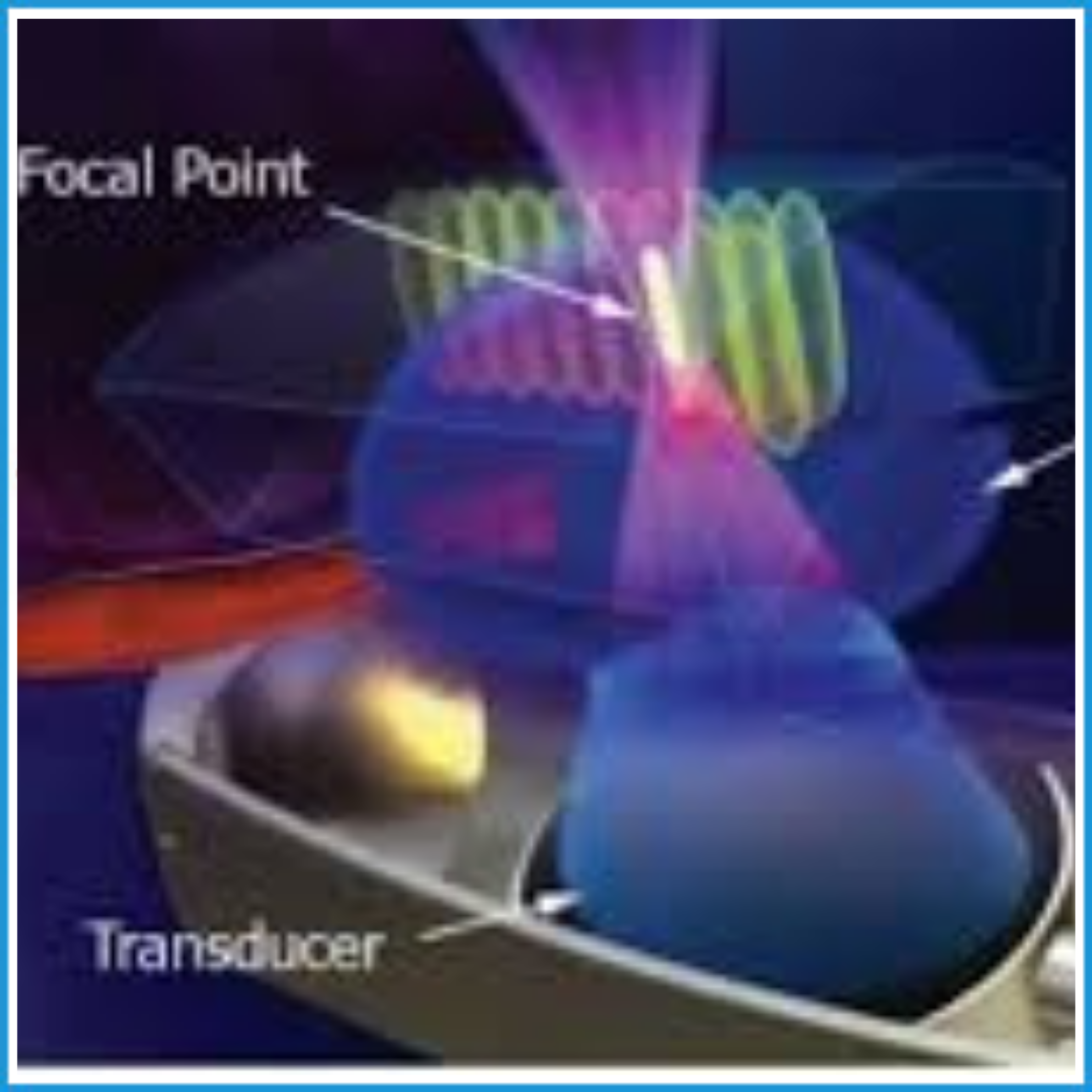
Focal Prostate Cancer Treatment
Systemic sampling in prostate biopsy, especially with the help of multiparametric prostate MRI evaluation, is aimed at mapping only those cancerous areas by mapping the cancer in the prostate gland. The treatment of the map of only the cancerous part, not the entire prostate, is called “Focal Therapy”.
- Urologic Oncology
-
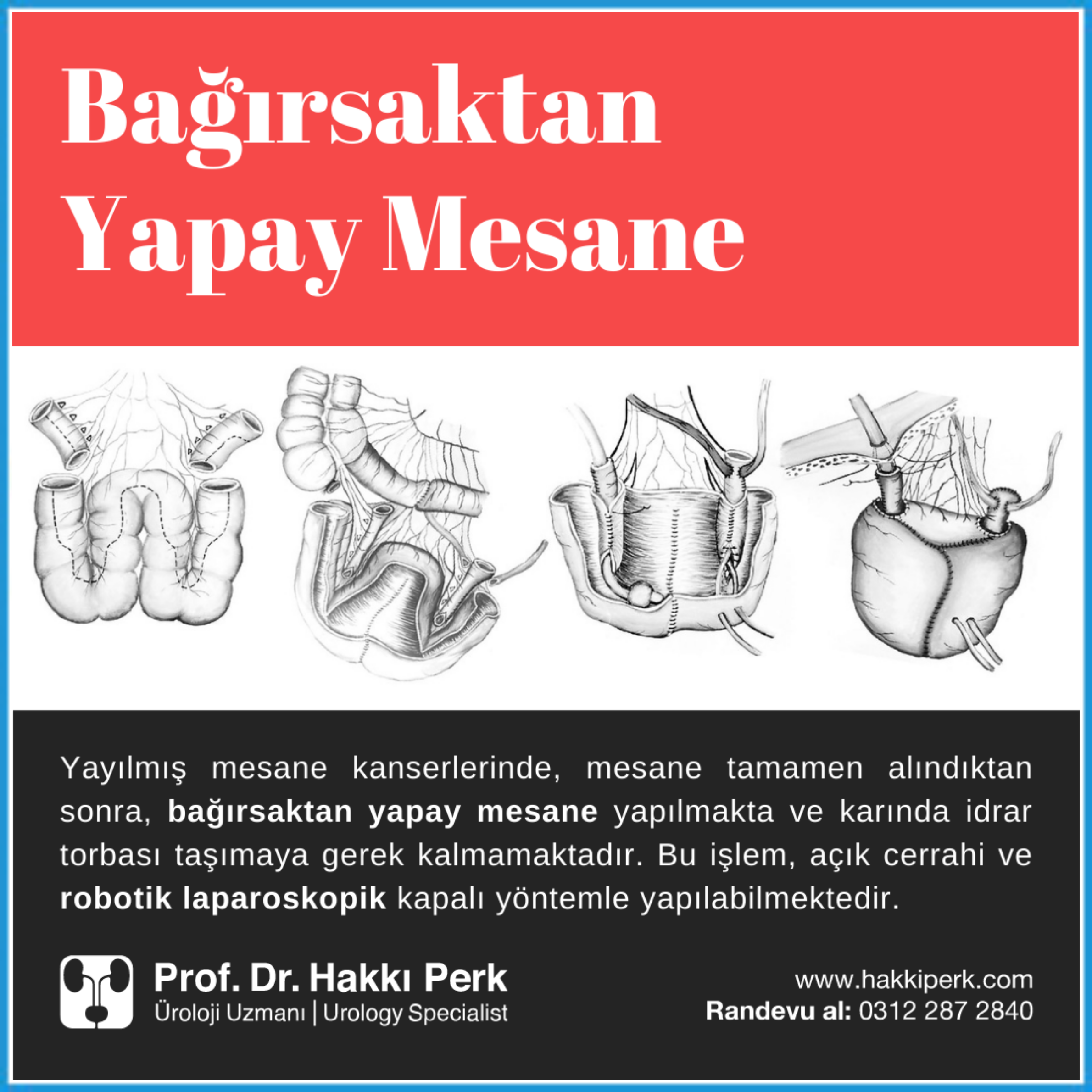
I am specialised and experienced in diagnosis, treatment and surgical procedures regarding urological cancers such as kidney cancer, bladder cancer, prostate cancer and testicle cancer. For example, the creation of a new and healthy bladder from a piece of intestine in case of the removal of the bladder due to bladder cancer. Radical open surgery and lapascopic surgery can be performed for prostate cancer treatment.
- Endourology
-
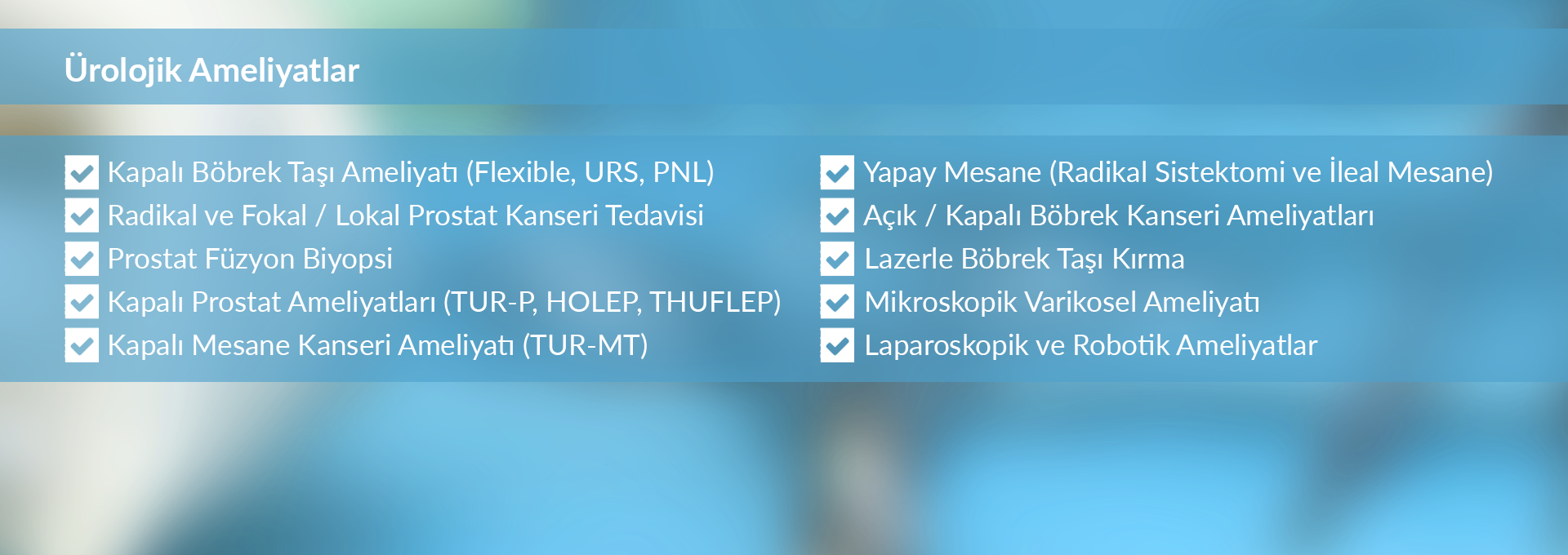
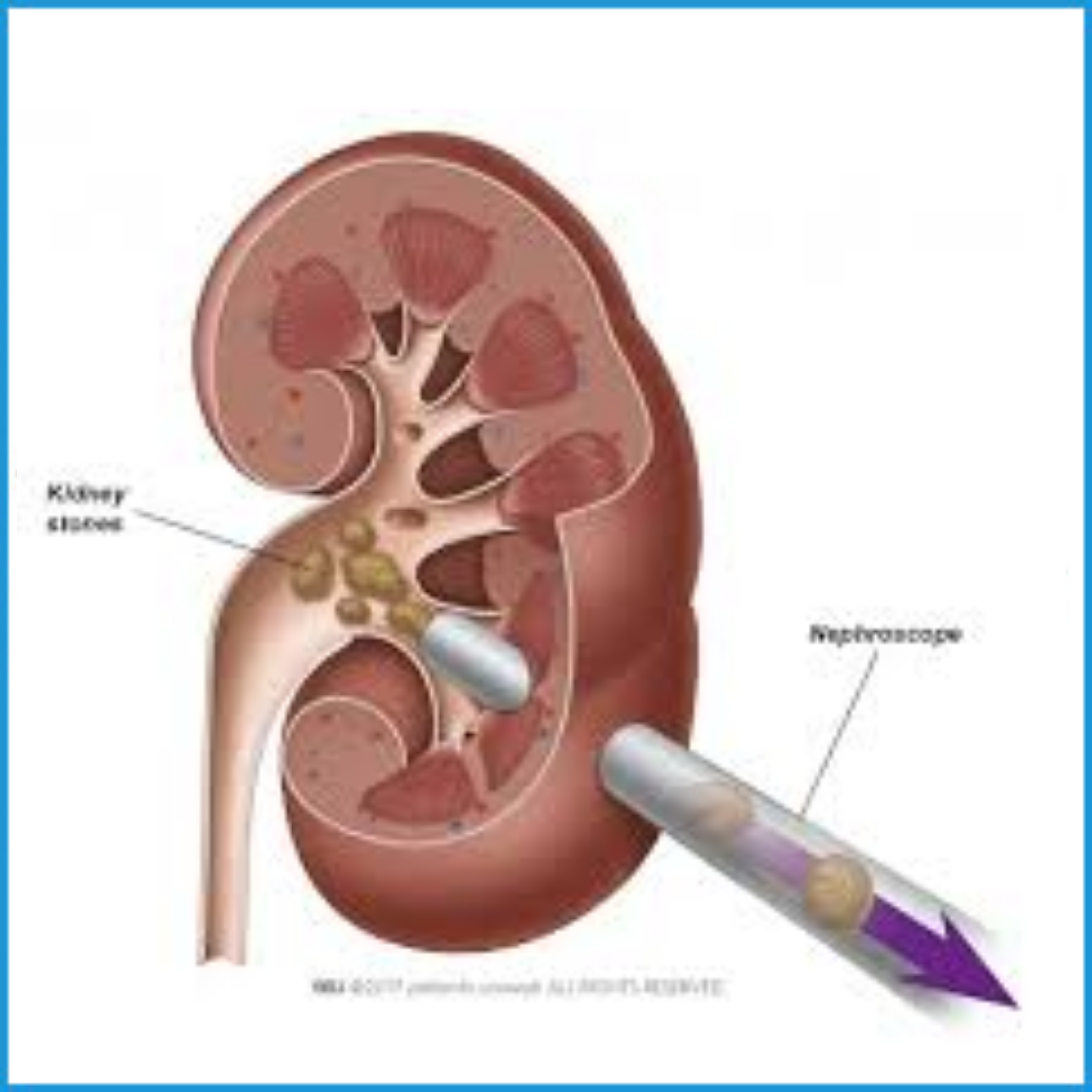
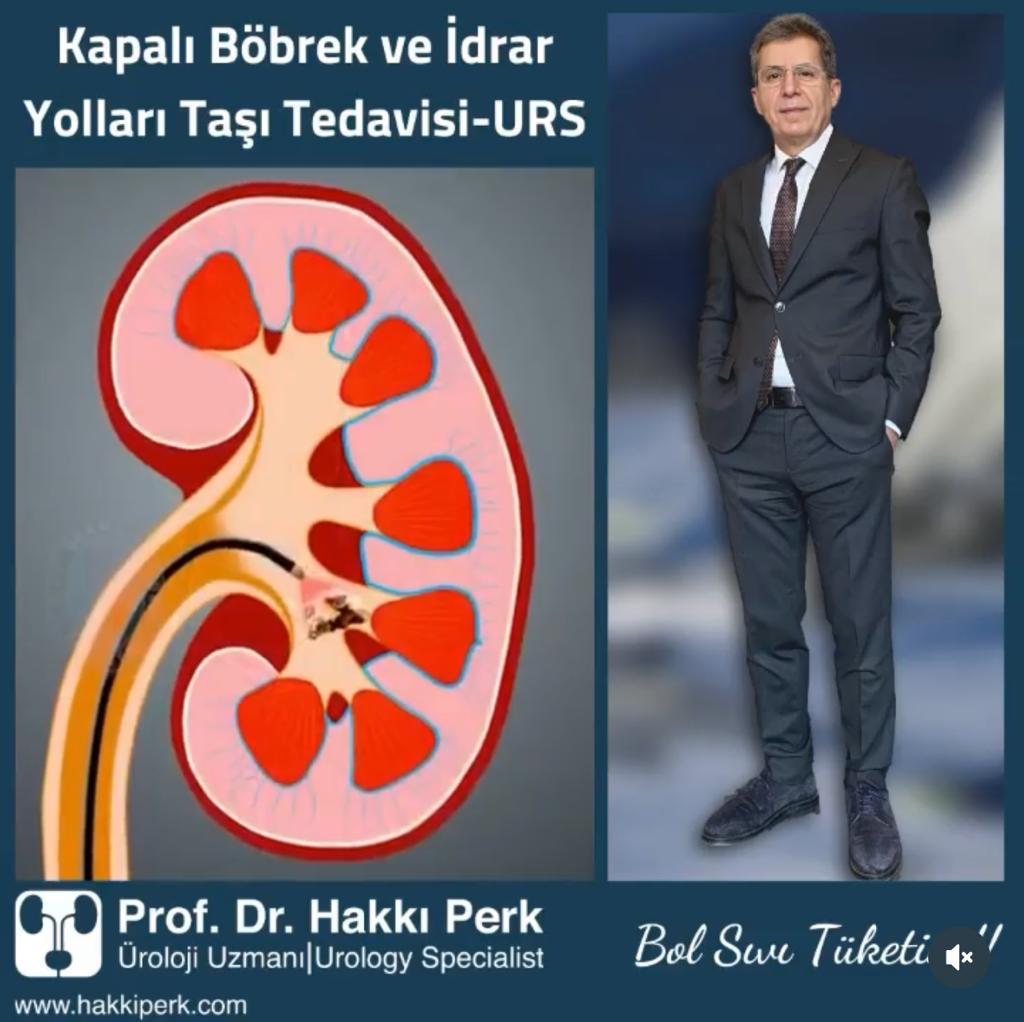
Laparascopic and Endoscopic procedures, closed prostate surgeries through laser, plasmakinetic or classic methods and endoscopic stone removal surgery (percutaneous nephrolithotomy, ureterorenoscopy-rigid/flexible) can be performed.
- Women’s Urology
-
Medicine applications, some local and injection applications, suspension surgeries such as TOT, TVT and other female urology related applications are performed in urinary incontinence, bladder prolapse and painful bladder syndrome diseases.
- Andrology
-
Infertility treatments, TESA/TESE procedures, penile prosthesis procedures and other erectile dysfunction (impotence) treatments can be performed.
- Pediatric Urology
-
Procedures on congenital anomalies, cryptorchidism and circumcision can be performed.
- Urinary Incontinence
-
Urinary incontinence is a health condition characterized by involuntary loss of urine, affecting both women and men, and significantly reducing quality of life. Its causes may include aging, childbirth, hormonal changes, neurological diseases, and surgical interventions. There are many types of urinary incontinence. Stress urinary incontinence, which occurs during coughing, sneezing, laughing, or exercise, is especially common in women due to childbirth and in men particularly after prostate surgery. Urge urinary incontinence (overactive bladder) is characterized by a sudden and intense urge to urinate accompanied by leakage. Mixed urinary incontinence involves a combination of stress and urge types. Overflow incontinence occurs as dribbling of urine due to incomplete bladder emptying. Post-prostatectomy incontinence is a condition that may develop after radical prostate surgery, requiring special evaluation and treatment in men.
Current treatment methods are planned individually according to the type and severity of urinary incontinence. These include lifestyle modifications and pelvic floor exercises, medication therapies, physical therapy and biofeedback applications, and botulinum toxin injections (for overactive bladder). In addition, surgical options such as sling procedures (TOT, TVT), artificial urinary sphincter implantation (artificial valve), and special surgical techniques for urinary incontinence developing after prostate surgery in men are successfully applied.
